Free Webinar: Slow and steady might not win the race… identifying bradyarrhythmia cases in practice
Microsoft Teams


A free webinar on identifying bradyarrhythmias
in practice, with Kieran Borgeat, a cardiologist board-certified
by both the American and the European colleges.
November 30, 2026 · 19:00 (UK time) · Free · Online
The moment this webinar is for
A patient’s heart rate is slow. Their signs may be non-specific. Is it a normal rate for this animal, or a rhythm abnormality that needs attention? And if it is a bradyarrhythmia, which one and what are the implications?
Slow heart rates can reflect a healthy cardiovascular system, but may also indicate a significant secondary change or a cardiac disorder. The challenge is to identify which one you are looking at, because that decides what happens next: further investigation, treatment, or monitoring.
In this free webinar, Kieran Borgeat, a board-certified cardiologist and Heart Surgery Team lead from one of Europe’s most experienced cardiology centers, shows you how to identify bradyarrhythmia cases in practice, so the next slow rhythm strip on your desk is one you can read with confidence.
What to expect
After this webinar, you will be able to:
- Recognize the common bradyarrhythmias on the ECG, including sinus bradycardia, sinus node dysfunction, AV block, and escape rhythms.
- Distinguish a physiologically slow heart rate from a bradyarrhythmia that needs attention.
- Apply a systematic approach to a slow ECG rhythm, to minimize the risk of errors associated with assumptions.
- Distinguish artifacts and normal variants from true arrhythmias.
- Link the ECG finding to basic investigation and management principles, including which patients need action now and which can be monitored.
About your host
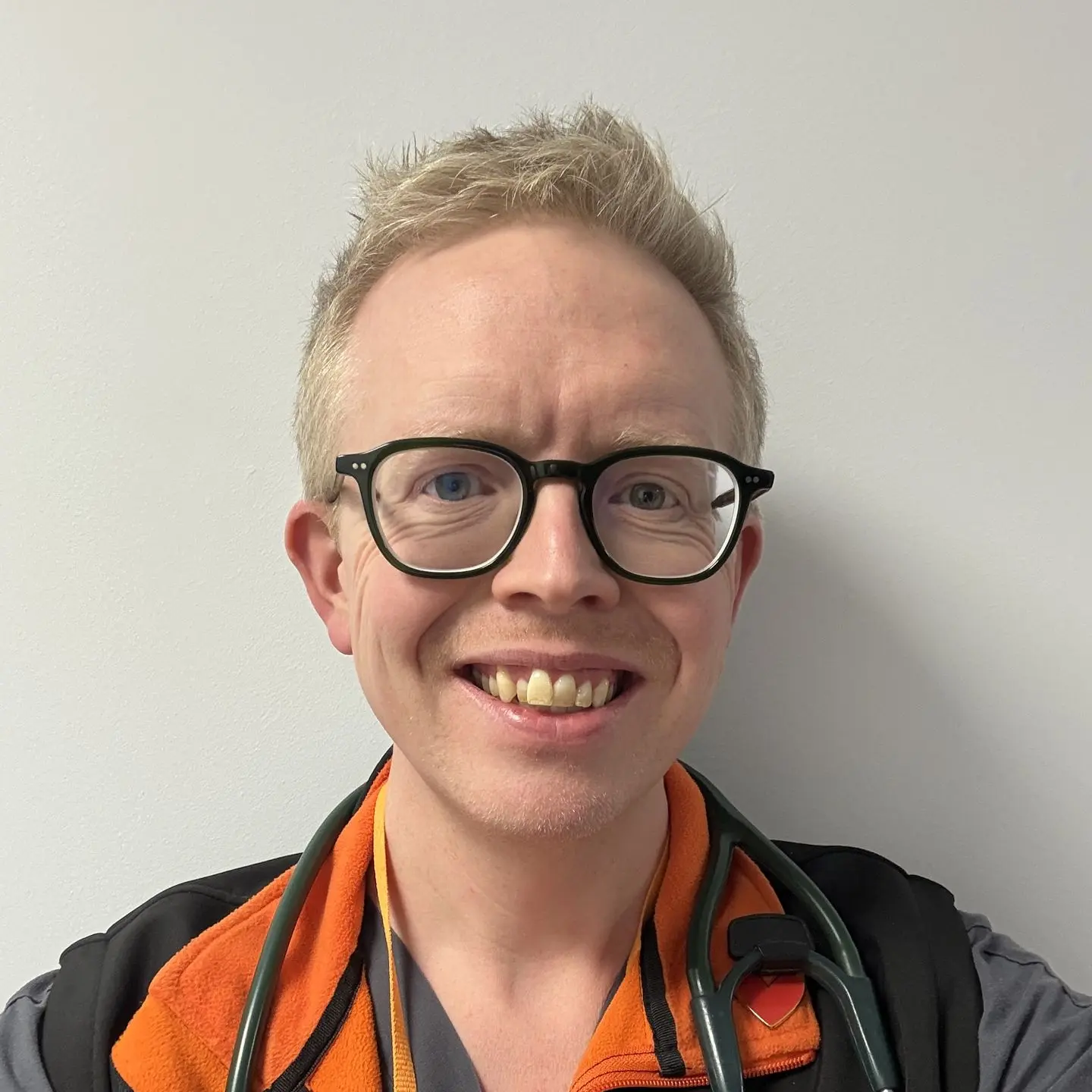 Kieran Borgeat, BSc BVSc MVetMed CertVC FHEA
FRCVS DipACVIM DipECVIM-CA (Cardiology), RCVS Recognized Specialist in
Veterinary Cardiology
Kieran Borgeat is a Diplomate of both the American College of Veterinary Internal Medicine and the European College of Veterinary Internal Medicine (Cardiology). He is Head of Service at Bristol Vet Specialists in the UK, and he has led the UK mitral transcatheter edge-to-edge repair (mTEER) program, a collaboration between his hospital and the Royal Veterinary College in London.
He has published across feline cardiomyopathy, interventional surgery, and arrhythmias. His particular interest is minimally invasive and hybrid surgery for both congenital and acquired heart disease, as well as interventional imaging methods. He has spoken across the world on a variety of cardiology topics and has taught practical surgery skills in Europe, the USA, and Asia.
His teaching reaches beyond the classroom, too. Together with Jose Novo Matos, Kieran is co-host and producer of The Animal Heartbeat, a podcast dedicated to veterinary cardiology. It has been downloaded over 85,000 times across 170 territories and is free wherever you get your podcasts.
Who is this is for?
This webinar is for practicing veterinarians who read ECGs and want more confidence when the rhythm is slow: a clear way to recognize the common bradyarrhythmias and to decide what to do about them.
The webinar is free and lasts one hour, including Q&A with Kieran. Everyone who registers receives the recording afterward.
Webinar details
- Date: Monday, November 30, 2026
- Time: 7:00 PM (UK time)
- Duration: 1 hour, including Q&A
- Cost: Free
- Recording: sent to everyone who registers
Learn the full method with Kieran in Bucharest
Bradyarrhythmias are one part of the ECG. On January 30–31, 2027, Kieran teaches the ECG Interpretation Weekend in Bucharest: two days, one systematic method for reading any ECG (heart rate, rhythm, axis, waveforms, and intervals, in the same order every time), applied rhythm by rhythm.
Saturday covers sinus rhythms, artifacts, and bradyarrhythmias. Sunday covers premature complexes, supraventricular tachyarrhythmias, and ventricular arrhythmias, and closes with an interactive ECG case challenge that puts the whole approach together.
The weekend is a separate in-person event with its own registration. It is a broad, clinically oriented overview that gives you a practical framework for the presentations you are most likely to meet. Teaching is in English and lecture-based, with ECG examples and case discussion, and everyone receives a certificate of attendance.