Anaesthesia and Analgesia Mentorship
Module 2: Pharmacology and Protocols


Confident anesthesia. Every patient, every day.
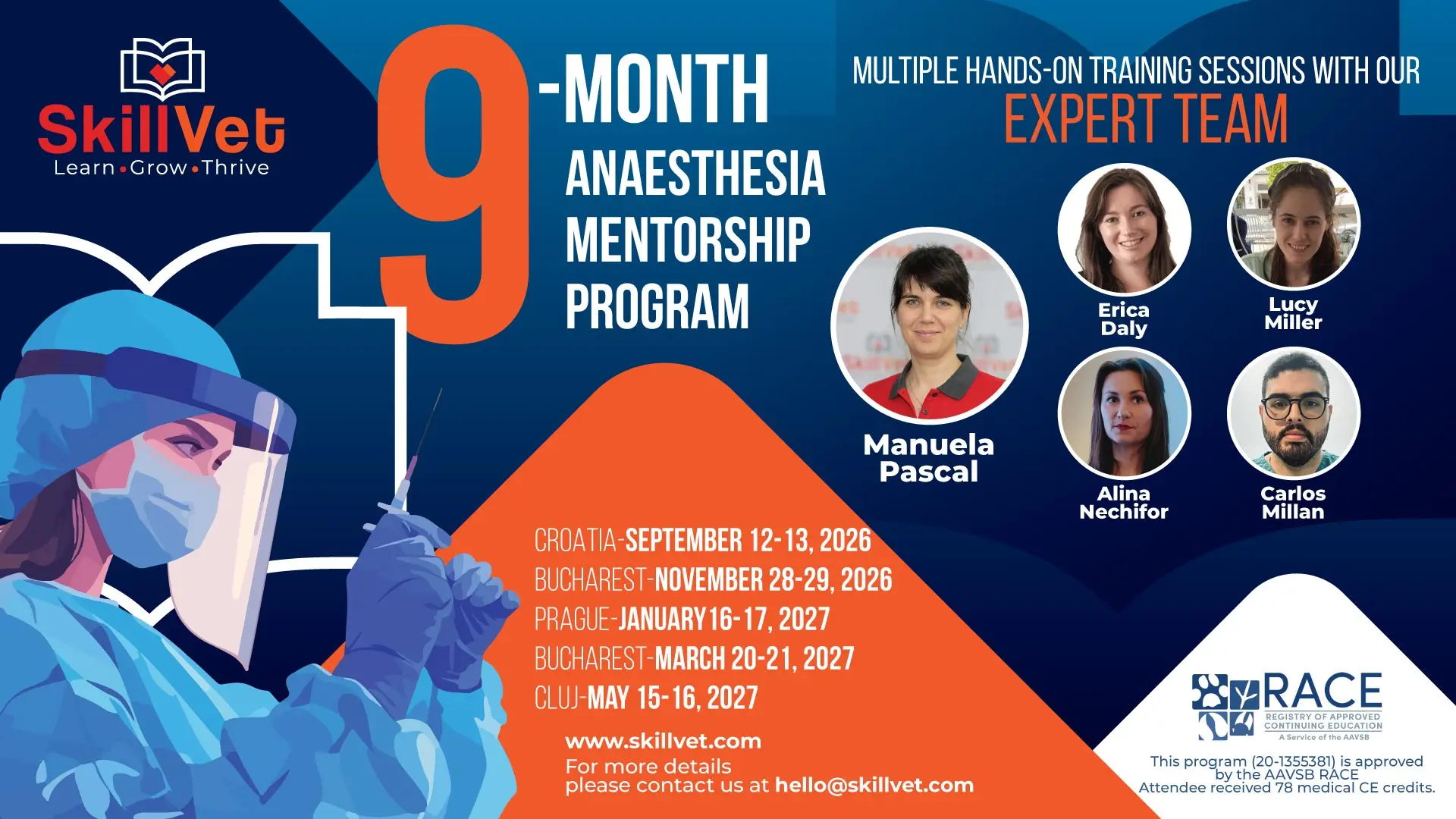
A five-module mentorship for practicing small-animal veterinarians. Hands-on training, small groups, and specialist support across nine months. Led by Dr. Manuela Pascal, Dipl. ECVAA.
In-person modular training with continuous online mentorship in between modules
Each module runs across two days on-site in a different European city. When planning your year, account for travel and accommodation at each location in addition to the course dates.
Early bird: 4,500 €
Deadline: July 31, 2026
Program at a Glance
By registering, you enroll in the full program: all five modules across nine months.
- Module 1: Zagreb, Croatia, September 12-13, 2026
- Foundations and Monitoring
- Equipment safety and troubleshooting; cardiovascular and respiratory monitoring; mechanical ventilation; temperature management; high-fidelity simulation.
- Module 2: Bucharest, Romania, November 28-29, 2026
- Pharmacology and Protocols
- Premedication, induction, maintenance, and recovery; protocol design for different patients and procedures; supervised live clinical anesthesia.
- Module 3: Prague, Czech Republic, January 16-17, 2027
- Analgesia and Emergencies
- Multimodal pain management including constant rate infusions; RECOVER-based cardiopulmonary resuscitation; crisis management algorithms and emergency simulation.
- Module 4: Bucharest, Romania, March 20-21, 2027
- Advanced Techniques and Anesthesia in the Compromised Patient
- Locoregional anesthesia and nerve block techniques; ultrasound-guided block training with hands-on technique refinement; practical skill stations with individualized instructor feedback.
- Module 5: Cluj-Napoca, Romania, May 15-16, 2027
- Complications and Integration
- Anesthesia in patients with concurrent disease; final written and practical examination; certificate awarded.
Course Description
The Veterinary Anaesthesia and Analgesia Mentorship Program is a comprehensive, postgraduate-level continuing education course designed to guide small-animal veterinarians from foundational principles of safe anaesthesia to confident clinical application.
The program runs from September 2026 through May 2027 and is delivered across multiple European locations. It combines on-site teaching, simulation-based training, supervised practical experience, and continuous online mentorship to ensure progressive learning, consolidation of skills between modules, and durable clinical competence.
Across five modules, participants progress from equipment checks, monitoring, thermoregulation, and ventilation to pharmacology and protocol design, peri-operative pain management and cardiopulmonary cerebral resuscitation (RECOVER-based), loco-regional techniques, and the recognition and management of anaesthetic complications in patients with common comorbidities. The program concludes with a summative theory and practical examination using a simulator-based format.
Practical training is delivered through an ethically robust framework, including high-fidelity simulation scenarios (e.g., changes in heart rate, blood pressure, capnography, and oxygenation), task training using phantoms, cadaver-based anatomical and block technique training, and a welfare-positive live clinical module involving routine canine castration of shelter animals in collaboration with local partners. All live-animal practical activities are performed under direct veterinary supervision and in accordance with local legislation and welfare standards.
The overarching goal of the program is to enable veterinarians to plan and conduct anaesthesia safely, interpret monitoring trends accurately, anticipate and manage complications promptly, and implement effective analgesic strategies and resuscitation protocols aligned with current best practice.
Teaching philosophy and program structure
The Veterinary Anesthesia and Analgesia Mentorship Program is a competency-based, longitudinal educational program designed to develop both theoretical understanding and practical clinical performance in small-animal anesthesia.
The teaching philosophy is grounded in the principle that safe and effective anesthetic practice requires the integration of physiology, pharmacology, monitoring, technical skills, and clinical judgment, applied together in real clinical contexts rather than acquired in isolation. The program is therefore structured around progressive skill-building, not protocol memorization.
The program adopts a spiral learning model: core concepts are introduced early and revisited across subsequent modules with increasing complexity, clinical context, and responsibility. Topics such as monitoring interpretation, ventilation, analgesia, and complication management are reinforced using different teaching modalities at each stage, allowing participants to build genuine confidence rather than surface familiarity.
Teaching is delivered through: structured, evidence-based lectures; interactive case-based discussions; high-fidelity simulation training; supervised practical sessions (live clinical cases, phantoms, and cadavers, depending on module); and ongoing mentorship and structured feedback between modules.
This blended approach ensures that participants not only acquire knowledge but learn to apply anesthetic principles in real clinical scenarios, including crisis situations and patients with concurrent disease.
Patient safety and ethical responsibility are central to the program design. Practical training minimizes animal use while maximizing educational value. Where live-animal procedures are included, they are performed within a clinical context that directly benefits animal welfare: routine castration procedures in collaboration with local shelters, under close specialist supervision and in full compliance with local legislation and welfare standards. Simulation, phantoms, and cadaver-based training are extensively used for repetitive skill acquisition without unnecessary animal involvement.
The program is led and academically overseen by Dr. Manuela Pascal, EBVS-recognized Specialist in Veterinary Anesthesia and Analgesia (Dipl. ECVAA), who acts as program mentor throughout the full duration. Her background, spanning faculty positions at the Faculty of Veterinary Medicine in Bucharest and clinical teaching roles at multiple UK referral and university hospitals including during and following her ECVAA residency training, informs the mentorship-based design of the program. Teaching here is not limited to didactic instruction; it is embedded in clinical reasoning, reflective practice, and longitudinal skills development.
As program mentor, Dr. Pascal is responsible for: curriculum oversight and educational standards; supervision of practical training and simulation-based teaching; guidance and feedback on participant case submissions and reflective exercises; and ensuring alignment with ethical, welfare, and patient safety principles.
This structure ensures academic consistency across all five modules and gives participants sustained access to specialist guidance, mirroring the educational standards and support structures found within recognized veterinary teaching hospitals.
Learning Objectives
By the end of this module, participants will be able to:
- Perform a structured pre-anaesthetic assessment and assign ASA classification
- Identify patient-specific risk factors influencing anaesthetic drug selection
- Understand the pharmacology and clinical use of commonly used anaesthetic drugs
- Formulate balanced sedation and anaesthetic protocols tailored to patient and procedure
- Select appropriate induction and maintenance strategies based on clinical context
- Apply inhalational anaesthetic principles safely in clinical practice
- Translate theoretical pharmacology into practical, supervised anaesthetic management
- Safely conduct and monitor anaesthesia during routine surgical procedures
Educational Objectives
By the end of the mentorship, participants will be able to:
- Apply the fundamental principles of veterinary anesthesia and analgesia, including physiology, pharmacology, and equipment, in the context of real clinical cases.
- Perform a structured pre-anesthetic assessment and risk stratification in dogs and cats, including interpretation of comorbidities and their anesthetic implications.
- Select and adapt anesthetic protocols for individual patients, based on procedure type, risk profile, and evidence-based drug selection.
- Safely induce, maintain, and recover patients from general anesthesia, including appropriate airway management, oxygen delivery, and ventilation strategies.
- Set up and interpret standard anesthetic monitoring (ECG, blood pressure, capnography, pulse oximetry, temperature) and recognize and respond to abnormal trends.
- Apply mechanical ventilation principles and adjust ventilator settings according to patient physiology and monitoring data.
- Identify, prevent, and manage the most common anesthetic complications: hypotension, hypoventilation, arrhythmias, hypoxemia, and delayed recovery.
- Assess pain and implement multimodal analgesic plans, including systemic analgesics, constant rate infusions, and locoregional techniques.
- Apply RECOVER-based resuscitation and crisis management algorithms in peri-anesthetic emergencies, including simulation-based scenarios.
- Adapt anesthetic management for patients with concurrent systemic disease (cardiac, respiratory, renal, neurological).
- Produce structured, accurate anesthetic records and communicate anesthetic plans and outcomes effectively with colleagues, clients, and referral centers.
- Apply ethical principles, patient safety strategies, and evidence-based reasoning to optimize anesthetic outcomes and minimize peri-anesthetic risk.
Between-Module Mentorship
This is the defining characteristic of the program and the most practical reason to choose a mentorship over a standalone course.
This is not a program where you attend a weekend module, receive a certificate, and are left to figure out the rest on your own. Between each in-person session, every participant is actively mentored by the faculty team, under the academic oversight of Dr. Pascal.
Between modules, participants submit by email anesthetic cases from their own clinical practice, anesthetic records and monitoring data, and reflective exercises on decision-making and complication management.
Submitted material is reviewed by specialist veterinary anesthetists. Feedback is personalized, focused on clinical reasoning, patient safety, monitoring interpretation, and optimization of anesthetic management. It is not automated, not generic, and not the same comment sent to everyone.
In addition, participants have access to structured one-to-one mentoring calls during the program. These are live conversations, not group calls, not video recordings. You bring your current clinical questions: the cases that did not go as planned, the monitoring trends you were not sure how to interpret, the situations where you needed a second opinion and did not have one nearby.
This mentorship model serves a specific purpose: it prevents loss of skills between modules. In a typical course, the gap between sessions is where learning is lost. Here, that gap is where learning continues. Case submissions keep participants practicing with intention. Feedback keeps them moving in the right direction. Mentoring calls anchor clinical application to the material from the preceding module.
By the time a participant arrives for Module 2, they have already had supervised clinical experience, specialist feedback on their own cases, and at least one individual conversation with an expert. They are not starting over; they are building on what Module 1 began.
Evaluation and Certification
Assessment is structured across four complementary components:
- Intermittent online theory assessments between modules, covering material from the preceding session.
- Practical assignments: submission of anesthetic cases and reflective exercises with individualized specialist feedback.
- Final written examination covering the full theoretical content of the program.
- Final practical examination using simulation-based scenarios, assessing monitoring interpretation, complication management, and clinical decision-making.
Participants who successfully complete all five modules and pass the final assessments receive the SkillVet Certificate in Veterinary Anesthesia and Analgesia.
Participants who do not pass the final assessments on the first attempt are offered a retake opportunity, scheduled and communicated in advance.
Final certification is based on the summative assessment only: written (theory) examination, 60%; practical (simulation-based) examination, 40%.
This program (20-1355381) is approved by the AAVSB RACE. Attendees receive 120 CE credits (98.5 in-person contact hours and 21.5 hours of pre-module homework assignments).
Instructional Methods
Each module combines: theoretical lectures supported by clinical anesthesia cases and monitoring examples; live demonstrations and instructor-guided simulation and practical sessions; small-group practical rotations (maximum five participants per station); case-based discussions, structured peri-anesthetic planning exercises, and short knowledge checks; between-module submission of anesthetic cases and reflective assignments with personalized specialist feedback; one-to-one online mentoring sessions; and final written and practical (simulation-based) examinations.
The program is vendor-neutral. Participants learn universal principles of veterinary anesthesia and analgesia applicable across different anesthesia machines, monitoring systems, and clinical settings. No manufacturer sponsorship or commercial influence affects curriculum design or content delivery.
Educational Integrity and Rationale
This mentorship program was developed to address the need for structured, evidence-based, and clinically applicable training in veterinary anaesthesia and analgesia. Unlike short standalone courses, this extended mentorship format allows participants to develop true clinical competence through repetition, supervised application, feedback, and progressive challenge.
All educational content is grounded in current best practice and reflects internationally accepted standards in veterinary anaesthesia, analgesia, and patient safety. Teaching emphasises physiological understanding, appropriate monitoring, and systematic clinical decision-making, rather than protocol-driven anaesthesia.
Instruction is entirely independent and free from commercial bias. While different anaesthesia machines, monitors, and simulation platforms may be demonstrated, no manufacturer sponsorship or commercial influence affects curriculum design or content delivery.
Expected Outcomes
Upon completion of the Veterinary Anaesthesia and Analgesia Mentorship Program, graduates will be able to:
- Independently plan, deliver, and monitor general anaesthesia in dogs and cats
- Implement multimodal analgesic strategies tailored to the patient and procedure
- Interpret anaesthetic monitoring data and respond appropriately to abnormal trends
- Prevent, recognise, and manage common anaesthetic complications
- Apply resuscitation and crisis management algorithms in peri-anaesthetic emergencies
- Produce clear, structured anaesthetic records and peri-operative documentation
- Communicate anaesthetic plans, risks, and outcomes effectively with clients, colleagues, and referral centres
- Practise veterinary anaesthesia and analgesia at a professional standard consistent with current international guidelines
Faculty
All instructors are present during modules relevant to their areas. The program maintains a high instructor-to-participant ratio, ensuring direct interaction and close supervision during all practical sessions.

Dr. Manuela Pascal, DVM, MSc, PhD, MRCVS, Dipl. ECVAA
Program Head and Lead Mentor
EBVS-recognized Specialist in Veterinary Anesthesia and Analgesia. Her career spans faculty positions at the Faculty of Veterinary Medicine in Bucharest and clinical teaching roles at multiple UK referral and university hospitals, including during and following her ECVAA residency training. As program head, she is responsible for curriculum design, the mentorship structure, practical supervision, and academic consistency across all five modules. Dr. Pascal is present throughout the full program, including case submission review and between-module mentoring.
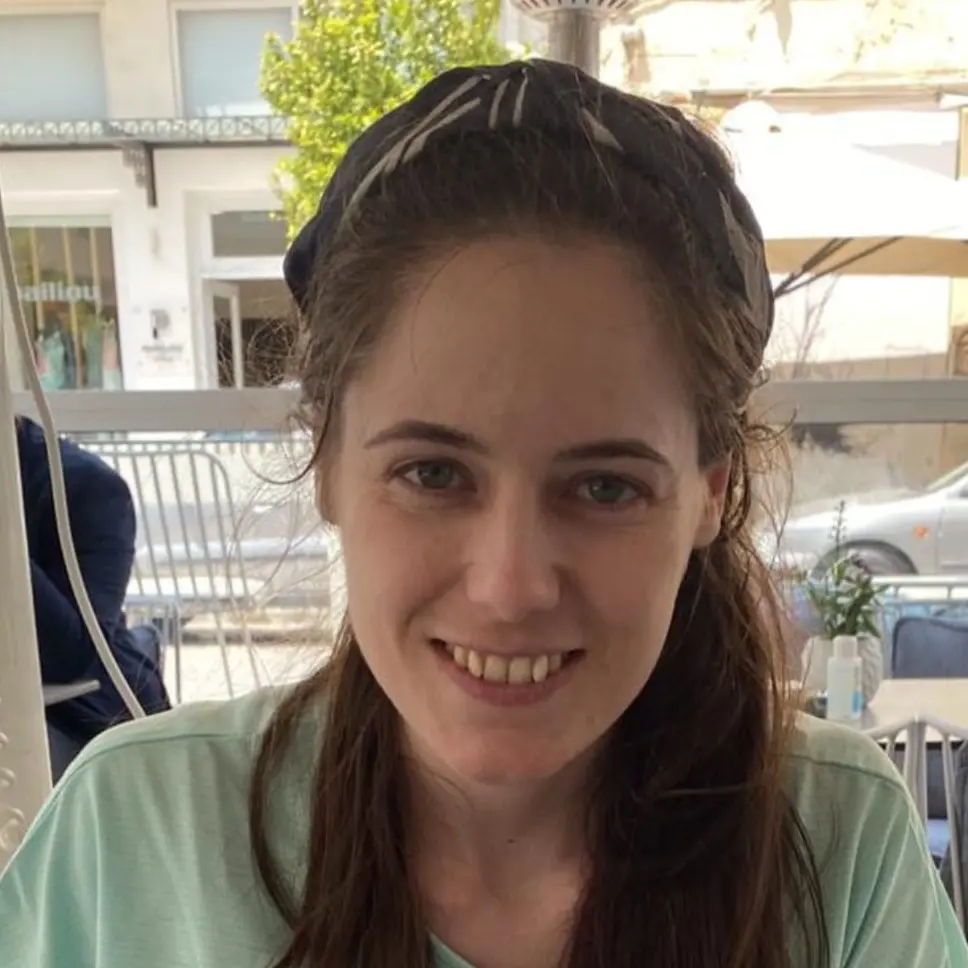
Dr. Lucy Miller, BVSc, MSc, DVM, Dip. ECVAA, MRCVS
Instructor. EBVS-recognized Specialist in Veterinary Anesthesia and Analgesia.
Currently EBVS-recognized Specialist in Veterinary Anesthesia and Analgesia at Wear Referrals Veterinary Specialist and Emergency Hospital (January 2024–present). Previously Lecturer in Veterinary Anesthesia and Analgesia at the Royal (Dick) School of Veterinary Studies, University of Edinburgh (2022–2023), where she completed her ECVAA residency and MSc in Veterinary Science. Research includes peer-reviewed work on body weight and intraoperative hypotension in dogs. RECOVER-certified; completed advanced locoregional anesthesia training at the University of Zurich (2025).

Dr. Erica Daly, MVB, MRCVS, AFHEA
Instructor. ECVAA Resident in Anesthesia and Analgesia.
Currently ECVAA Resident in Veterinary Anesthesia and Analgesia at Dick White Referrals (November 2023–present). Previously Anesthesia Clinician at Cave Veterinary Specialists and Intern at the Hospital for Small Animals, Royal (Dick) School of Veterinary Studies, including an anesthesia-specific internship year. Associate Fellow of the Higher Education Academy (AFHEA). Course coordinator, Ifevet International Anesthesia and Analgesia Nursing Course (2025). Published research includes work on perianaesthetic complications in cats undergoing brain MRI. RECOVER-certified.

Dr. Carlos Millán Parreño, DVM, MRCVS
Instructor. Post-ECVAA residency clinician.
Currently Head of Anesthesia and Analgesia at VetSpecialistes, Switzerland (September 2025–present). Completed ECVAA residency at North Downs Specialist Referrals and Southfields Veterinary Specialists (UK), with externships at the Royal (Dick) School of Veterinary Studies, Royal Veterinary College London, University of Ghent, and École Nationale Vétérinaire de Maisons-Alfort, Paris. Published research includes work on intraoperative hypotension risk after epidural anesthesia in dogs. Prize for best oral communication, Spanish Society of Veterinary Anesthesia and Analgesia Congress (2018).
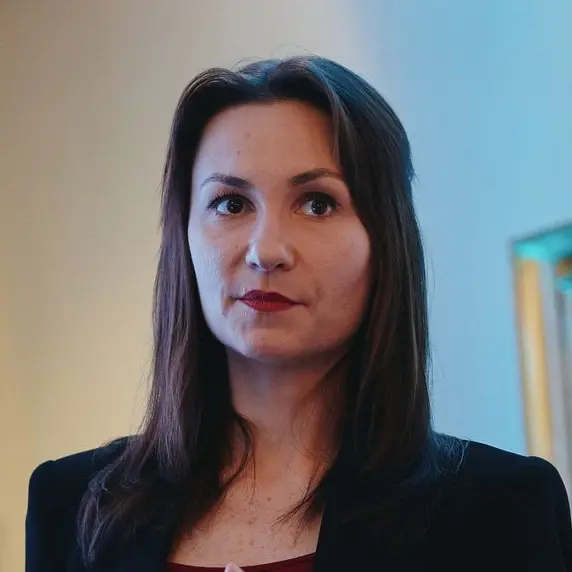
Dr. Alina Nechifor, DVM
Instructor
Clinical Applications Specialist for Anesthesia at VetDiagnostic/Althea (2023–present); Lecturer in Basic Concepts in Small Animal Anesthesia (2022–present); Organizer and Representative of VASTA (Veterinary Anesthesia School) for Romania and Bulgaria (2020–present). Veterinarian with clinical focus on anesthesia and intensive care at Dr. Bercaru Small Animal Clinic, Bucharest (2015–present). Continuing education includes ESAVS Anesthesia and Pain Management (2024) and Locoregional Anesthesia Course, University of Zurich (2025).
Is this program right for you?
This program is designed for practicing small-animal veterinarians who perform anesthesia regularly but want a more structured, evidence-based approach; who want to understand their monitoring data and act on it with confidence; who are ready to move beyond protocol-driven practice; and who can commit to five in-person modules across nine months, including between-module case submissions and mentoring.
If you are looking for a weekend course that covers the basics, this is not that. If you are looking for a program that changes how you work in the operating room every day, this is.
Not sure yet? Start here.
Get a feel for how our faculty actually thinks. The ECG Quick Guide is a one-page, action-oriented reference for the four arrhythmias anaesthetists see most often under general anaesthesia — built on the same clinical judgment this mentorship is designed to teach.
Conclusion
The Veterinary Anaesthesia and Analgesia Mentorship Program (September 2026 – May 2027) provides a comprehensive and progressive educational pathway from the fundamentals of anaesthetic practice to advanced clinical application and complication management.
With Dr Manuela Pascal acting as Program Head and Lead Mentor, supported by an international team of specialist instructors, the program offers a unique combination of academic rigour, practical training, and longitudinal mentorship. Delivered across multiple European centres and incorporating simulation, live clinical experience, phantoms, and cadaver-based training, the program equips veterinarians with the knowledge, skills, and clinical judgement required to deliver safe, evidence-based, and ethically responsible anaesthesia and analgesia in small animal practice.
Registration fees
- Early bird, until 31st of July 2026 - 4,500 €
- Standard, after 1st of August 2026 - 5,150 €
The prices include VAT
Romanian
VAT (21%) is legally required for all participants, regardless of country of
origin or VAT registration status. This is a legal obligation under EU and
Romanian tax law for in-person educational events held in Romania; it cannot be
waived or exempted.
FAQ
Registration covers the full nine-month program, all five modules. Individual modules are not available separately.
The registration fee covers all course materials, access to theory lecture recordings, lunch on both days of each module, coffee, and water. Accommodation, travel, and evening meals are not included.
English
Participants who miss a module for reasons of force majeure receive access to the theory lecture recordings for that module. Practical skills from a missed module can be recovered during a subsequent module by arrangement. Attendance at all five modules is expected; please contact us before registering if you have a known scheduling conflict.
This program (20-1355381) is approved by the AAVSB RACE. Attendees receive 120 CE credits (98.5 in-person contact hours and 21.5 hours of pre-module homework assignments).
Yes. Installment plans are available for a maximum of four payments. To request a plan, email hello@skillvet.com with the number of installments you need; the team will set up a payment schedule for you.
Yes. Contact us at hello@skillvet.com.
Cancellations submitted more than 30 days before the program start date are eligible for a full refund. Cancellations received within 30 days of the program start date are not eligible for a refund. To cancel, contact us at hello@skillvet.com.
Accommodation, flights, and evening meals are not included in the registration fee and are the responsibility of each participant.